Help build tools that reduce unnecessary suffering.
Every check-in, goal, reset, meeting search, saved plan, reminder, support contact, and moment of honest use helps us understand what people need when life gets hard.
You do not have to share your personal progress with an organization to help shape SoberPals.
During beta, your use helps us improve the experience, refine support plans, understand barriers, and ask better scientific questions about recovery, follow-through, safety, connection, and early support.
We are grateful for every touch.
Our hope is simple: that SoberPals helps you, your clients, your family, or someone you care about take one more step toward the good life.
Over time, with consumers, families, providers, supporters, scientists, and research partners working together, we believe this work can help reduce unnecessary suffering in the world.
Every small action helps us learn how support works in real life.
Built from lived experience and practical care.
Welvida was shaped by people who know what it means to survive, recover, care for others, and keep going.
That includes healthcare providers, technology innovators, people in long-term recovery, people who have recovered from severe mental health disability, caregivers supporting children with serious illness, and adult children helping parents age in place.
The conditions are different, but the human challenge is often the same:
Following through with plans is hard.
“My disability is always with me, like a baby in a BabyBjörn. I cannot pretend it is not there. I have to carry what it needs.”
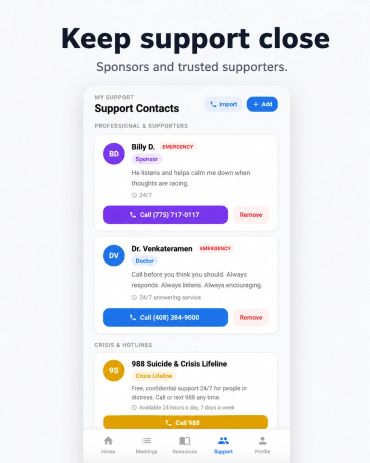
“New Year’s Eve I left my date at the club for 10 minutes to call 988 because my safety plan says I call before things get worse. It was awkward, but it helped me come back and stay present.”
“Sometimes it is really hard to keep taking medication or continue treatment when I do not feel like it is helping. I try to see it as a gift to my children. That helps me keep going.”
“I am using five or six apps and websites just to stay on track with my treatment plan.”
The right plan can prevent crisis, but only if people can find it, use it, adapt it, and communicate what they need before things get worse.
Welvida exists to make that easier.
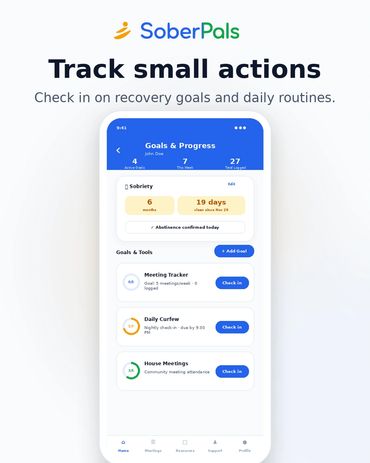
Small actions can change momentum.
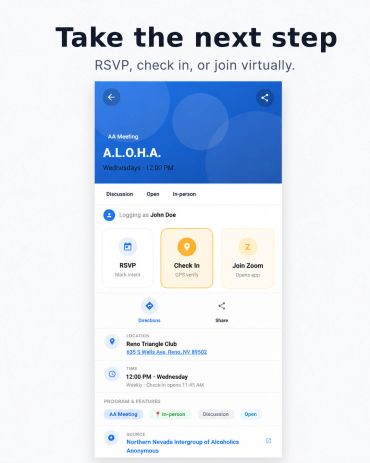
SoberPals is influenced by behavioral activation: helping people identify useful next actions, schedule them, take the next step, and reconnect with support.
The goal is not to overwhelm people with another dashboard.
The goal is to make the next useful action easier to see and easier to complete.
That might mean going to a meeting, taking medication, checking in with support, using a reset plan, reviewing a safety plan, or asking for help before things get worse.
At the same time, small barriers can stop positive action.
A plan may fail because the meeting is too hard to find, the reminder comes at the wrong time, support feels too far away, anxiety gets too loud, or the next step feels too big.
SoberPals is designed to make the next step smaller, clearer, and easier to reach.
A behavioral engagement laboratory.
SoberPals is more than a recovery-support app.
It is being built as a behavioral engagement platform that can help study what happens between visits, meetings, calls, check-ins, and crises.
Most health systems measure outcomes after something has already happened: relapse, hospitalization, crisis, disengagement, incarceration, or decline.
SoberPals is designed to help study the earlier signals:
- Did the person use the plan?
- Did they complete small goals?
- Did they attend meetings?
- Did they reach out to support?
- Did they stop checking in?
- Did barriers appear?
- Did a reset plan help?
- Did a safety plan help before crisis?
The goal is not to claim outcomes before the evidence exists.
The goal is to build a platform, dataset, beta environment, and scientific advisory group capable of asking better questions and testing what actually helps.
Five flagship questions for early research.
As SoberPals enters beta, we are especially interested in five high-value scientific questions:
- Can digital recovery signals help identify relapse risk or disengagement earlier?
- Does mobile-enhanced Twelve-Step Facilitation improve engagement compared with standard referral or standard TSF workflows?
- Does peer-connected recovery engagement improve meeting attendance, retention, and recovery outcomes?
- Does digital safety-plan engagement reduce crisis severity, duration, or escalation?
- Can personalized recovery plans and applet bundles improve follow-through, adherence, and recovery engagement?
These questions are intentionally ambitious.
Scientific advisors and research partners can help refine the questions, define appropriate measures, design pilot studies, and determine which outcomes should be studied first.
Can a Copilot Improve Follow-Through?
Can timely support help people take the next useful step?
One of SoberPals’ long-term research questions is whether a carefully designed support copilot can help people complete the next useful action more often.
The hypothesis is simple:
When support is timely, specific, respectful, and connected to a person’s real plan, people may be more likely to follow through.
A future SoberPals or Welvida copilot could help by learning a person’s baseline patterns and noticing meaningful changes, such as missed routines, skipped meetings, lower engagement, increased cravings, poor sleep, or repeated barriers.
Instead of blaming the person, the copilot could suggest a smaller next step, remind them what helped before, encourage support contact, or help them restart after a missed goal.
The research question is whether this kind of support can improve:
- next-action completion
- medication or treatment adherence
- recovery-plan follow-through
- meeting or support participation
- earlier response to signs of decline
- longer-term recovery and behavioral-health outcomes
This must be tested carefully. A copilot should support autonomy, privacy, trust, and human connection. It should not replace clinicians, sponsors, peer supporters, crisis services, or professional judgment.
Scientific Advisory Board
Help shape the science before we scale.
SoberPals is assembling a small Scientific Advisory Board focused on recovery science, addiction treatment, behavioral-health engagement, peer-support participation, implementation science, safety planning, adherence, and long-term recovery outcomes.
We are seeking advisors and research collaborators who can help with:
- Research strategy
- Pilot-study design
- SBIR/STTR planning
- Outcome measures
- Ethical and privacy considerations
- Implementation science
- Peer-support engagement
- Digital safety-plan research
- Early deterioration and disengagement signals
- University and institutional partnerships
The expected commitment is intentionally modest.
The goal is to help SoberPals ask better questions, design stronger studies, and avoid overclaiming before the evidence exists.
Help build the science of better support.
SoberPals is seeking scientific advisors, research collaborators, grant partners, clinicians, recovery organizations, and institutions interested in recovery engagement, peer support, behavioral health, safety planning, adherence, and earlier support before crisis.
We are especially interested in partners who want to help design rigorous, ethical, practical research that protects autonomy while improving support.
Built by Welvida. Beta sponsored by the MV Foundation.